

Recommended models
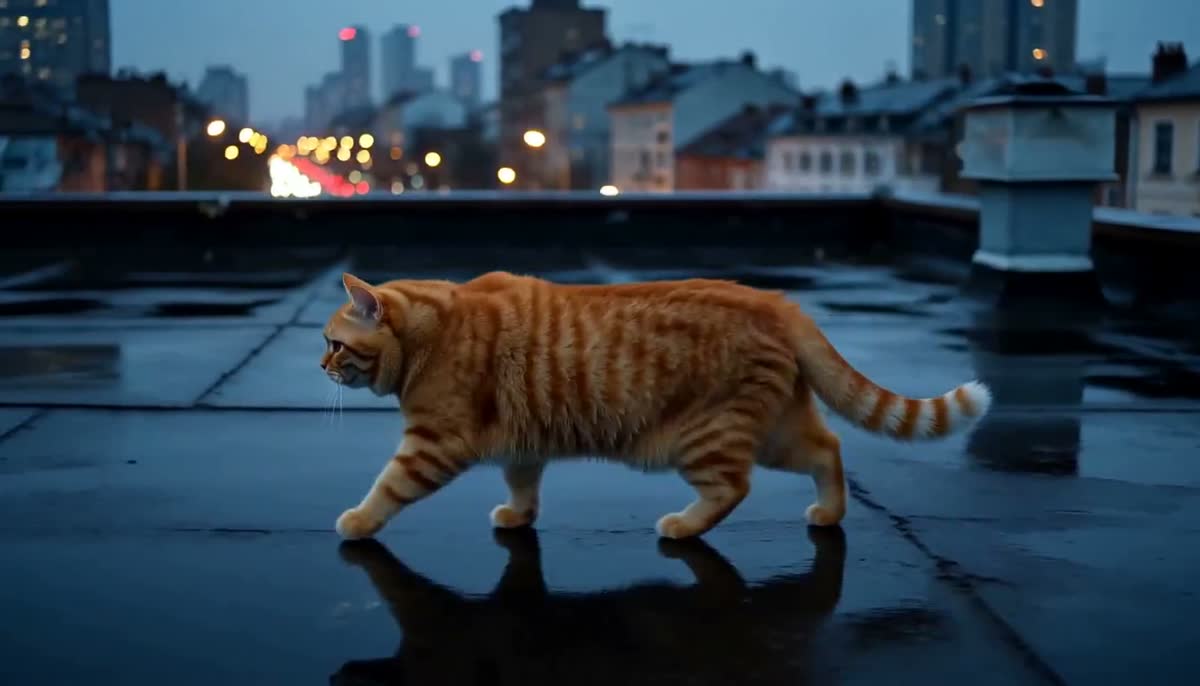
MiniMax H3
$0.05 per second at 768P, 37.5% below MiniMax’s official price, so a 5-second clip is $0.25. Supports 2K, first and last frames, and reference images, video, and audio.

Muse
Meta’s video model, billed per video: $0.30 for 5–10 seconds ($0.03 per second at 10 seconds), $0.55 for 20, $0.80 for 30. Uses the OpenAI-style
/v1/videos endpoint and can extend an existing clip.- Every clip comes with music and sound effects.
- Call them with a token in the
default,vip, orsvipgroup set to Usage first; one token works for both. - Failed jobs are refunded, and video links stay valid for 7 days.
What one clip costs
Cost per clip at 720p or higher with no reference video, based on public prices as of October 31, 2026 (USD):- MiniMax’s official H3 prices are $0.08/s at 768P and $0.13/s at 2K, from MiniMax pay-as-you-go pricing (checked October 24, 2026).
- Seedance bills by tokens. The figures are estimates for 16:9 with no input video; the job’s reported usage decides the final charge.
- With a reference video, MiniMax H3, Seedance, and Wan also bill the reference video’s length. See the pricing section of each model’s guide.
- Longer clips: Muse has 20-second ($0.55) and 30-second ($0.80) models. H3 goes up to 15 seconds ($0.75 at 768P).
- Check what each job actually cost in the call log. For current unit prices, see Models and pricing and each model’s guide.
Pick a model by task
- Short clips around 720p with sound: for about 5 seconds use MiniMax H3 at 768P. For 8–10 seconds use Muse, which costs the same at 10 seconds.
- A flat price that is easy to budget at scale: Muse. The price per video doesn’t change with duration tier, aspect ratio, or input images.
- One continuous 20- or 30-second shot, or extending an existing clip: Muse’s
muse-video-20sormuse-video-30s. - 2K output, or reference video and audio to steer motion and sound: MiniMax H3.
- Existing OpenAI
/v1/videoscode, for example a former Sora 2 integration: Muse takes the same request shape. Change the model ID and duration; see the FAQ. - 1080p output, or footage of real people or virtual humans: Seedance 2.0 / 2.5.
- Restyling or editing an existing video: video editing in Wan 2.7 / 3.0.
Endpoints and tokens
The endpoints are not interchangeable: MiniMax H3 only accepts
/hailuo/v2, and Wan doesn’t use /v1/videos. Usage first is the simplest billing mode for every video model:
- MiniMax H3, Wan, and Seedance also work with Usage-based tokens.
- Muse also works with Per-call tokens.
model. See billing and token groups.
FAQ
Which video model is cheapest?
At 720p or higher, MiniMax H3 at 768P is cheapest for clips of about 5 seconds ($0.25), and Muse is cheapest for 8–10 seconds ($0.30). Both include audio and work with adefault group token.
How do I migrate code that called Sora 2?
Sora 2 has been retired. Muse uses the same calls as Sora 2:POST /v1/videos to create a job and GET /v1/videos/{id} to poll it, and multipart first-frame uploads use the same input_reference field. Change three things:
- Set
modeltomuse-video. - Set
secondsto 5, 8, or 10. For 20 or 30 seconds, switch tomuse-video-20sormuse-video-30s. - Use a token in the
defaultgroup with the Usage first billing mode.
video_url. Field details are in the Muse video generation API guide.
Which model should I use for 1080p?
Seedance 2.0 / 2.5 or Wan. Both output 1080p and bill by seconds or tokens; see the price table above. MiniMax H3’s high-resolution tier is 2K, and Muse always outputs at the 720p tier.Do the videos have sound?
MiniMax H3 and Muse always include an audio track, and there is no switch to turn it off. Wan 3.0 outputs sound by default; passaudio: false for a silent clip at the same price. Seedance uses generate_audio to control sound.